Already have an account?

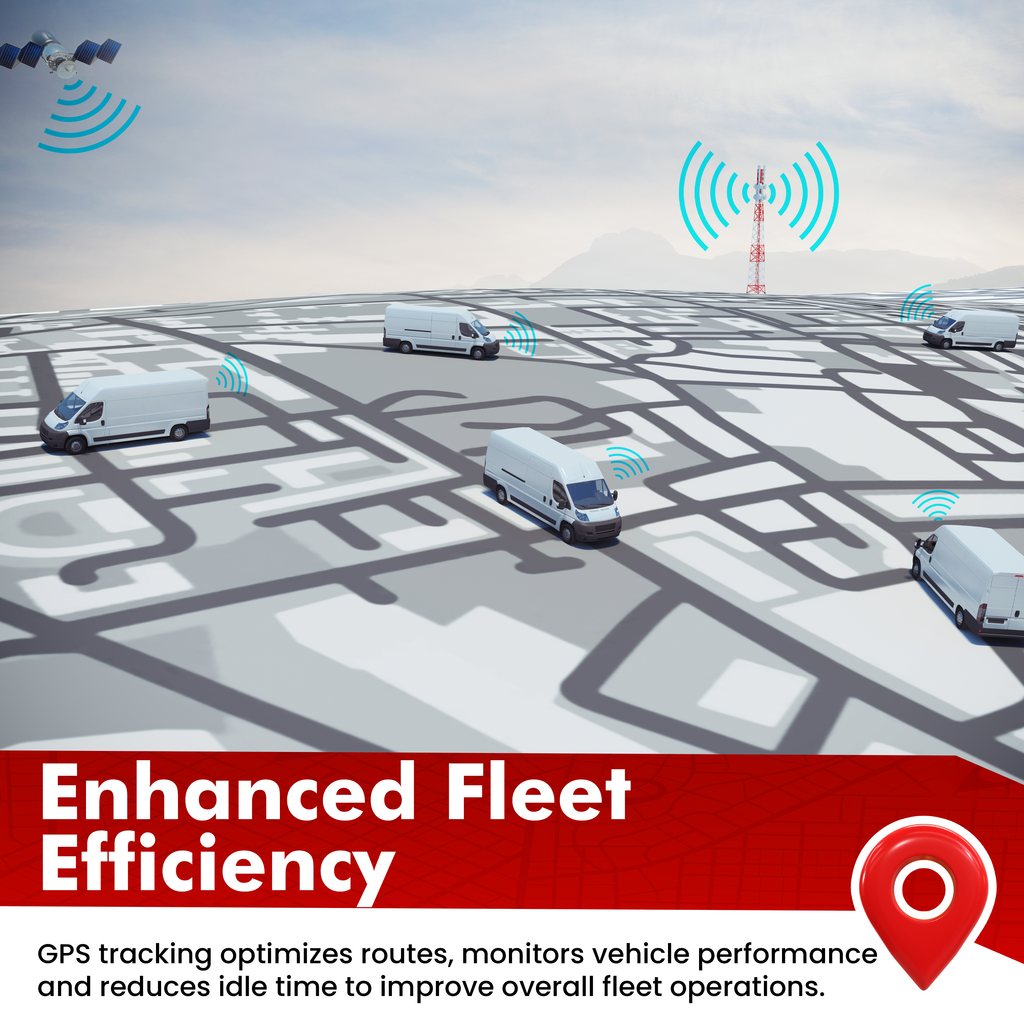
GPS tracking optimizes routes, monitors vehicle performance and reduces idle time to improve overall fleet operations."
Fleet managers face constant pressure to do more with less. GPS tracking systems provide real-time visibility into vehicle locations, allowing dispatchers to assign jobs more efficiently and reduce unnecessary detours. Monitoring engine performance and idle time also helps identify operational bottlenecks and cut down fuel waste. The result? A leaner, faster, and more responsive fleet
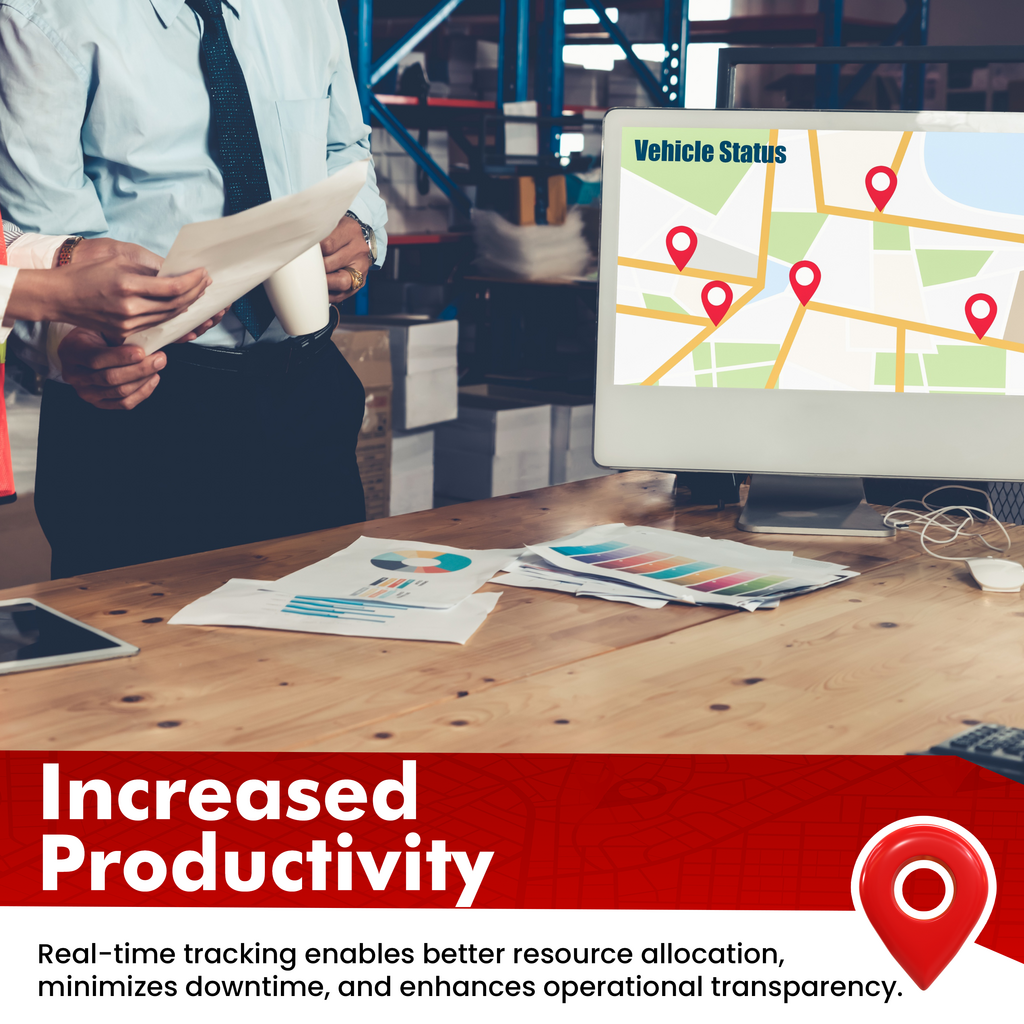
When every minute counts, knowing where your assets are—and how they’re performing—is critical. GPS tracking empowers teams to allocate drivers and vehicles based on proximity and availability, reducing wait times and maximizing output. Transparent data flows also foster accountability, making it easier to spot inefficiencies and improve workflows across departments.
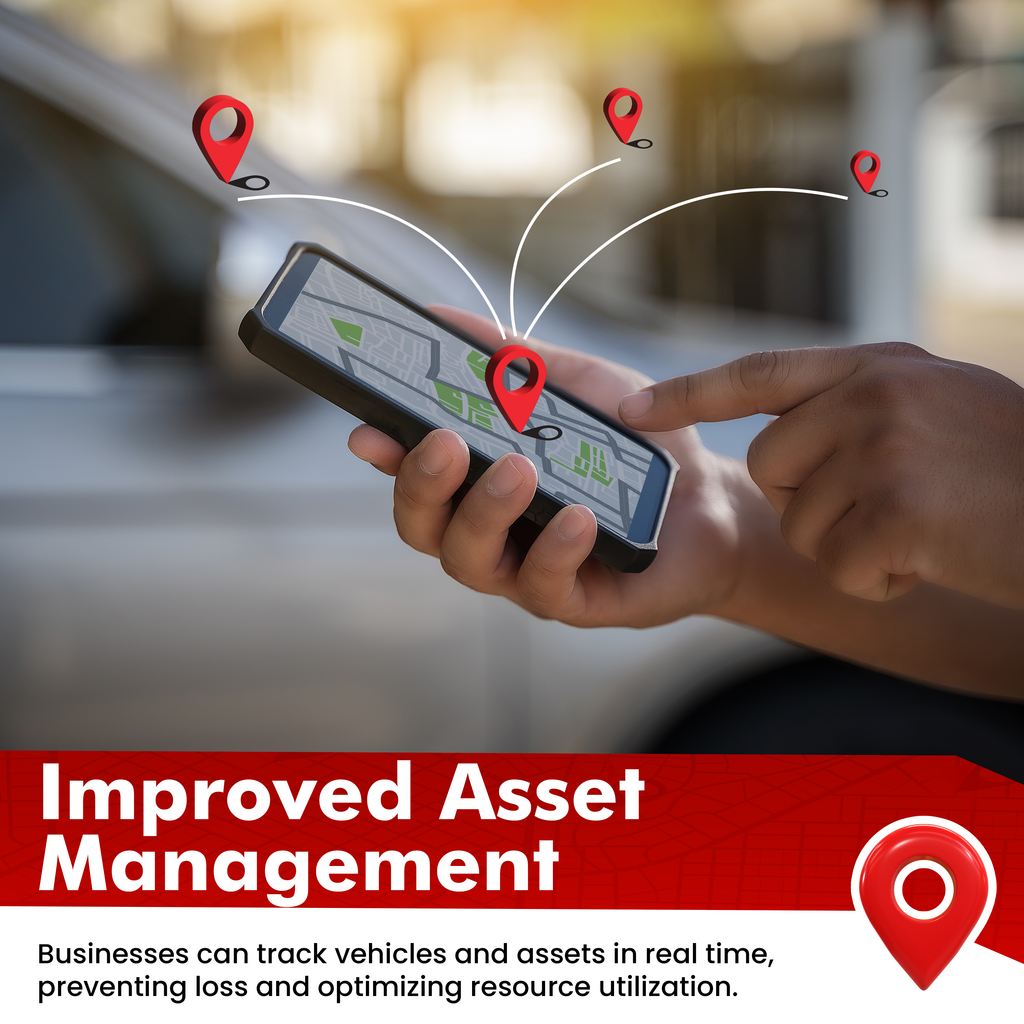
Whether it’s a delivery van or a high-value piece of equipment, GPS tracking ensures that assets are never out of sight. Real-time location data helps prevent theft, unauthorized use, and misplacement. It also enables smarter scheduling and utilization, ensuring that every asset is working toward your bottom line.
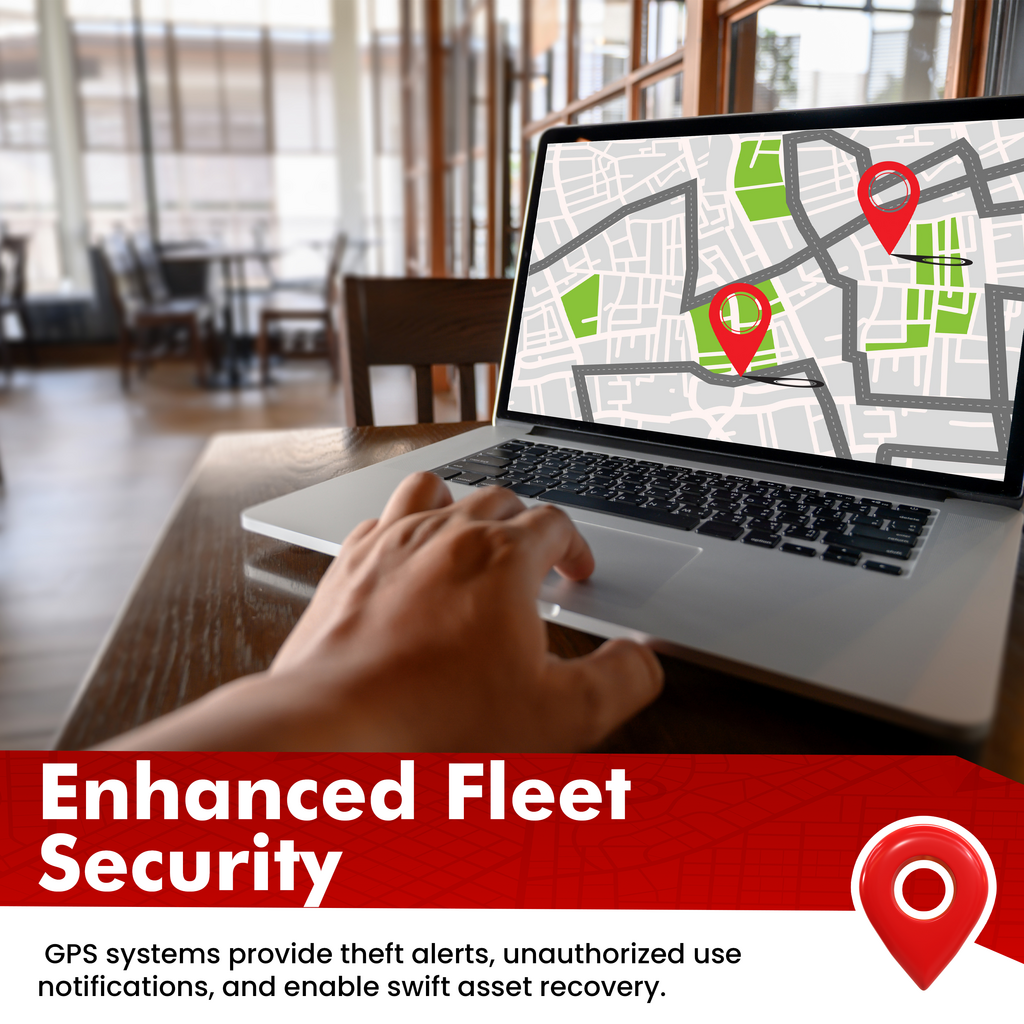
Security breaches can cripple operations. GPS tracking systems act as a digital watchdog, sending alerts when vehicles deviate from assigned routes or operate outside approved hours. In the event of theft, real-time location data enables rapid recovery and minimizes losses. It’s peace of mind, backed by precision.
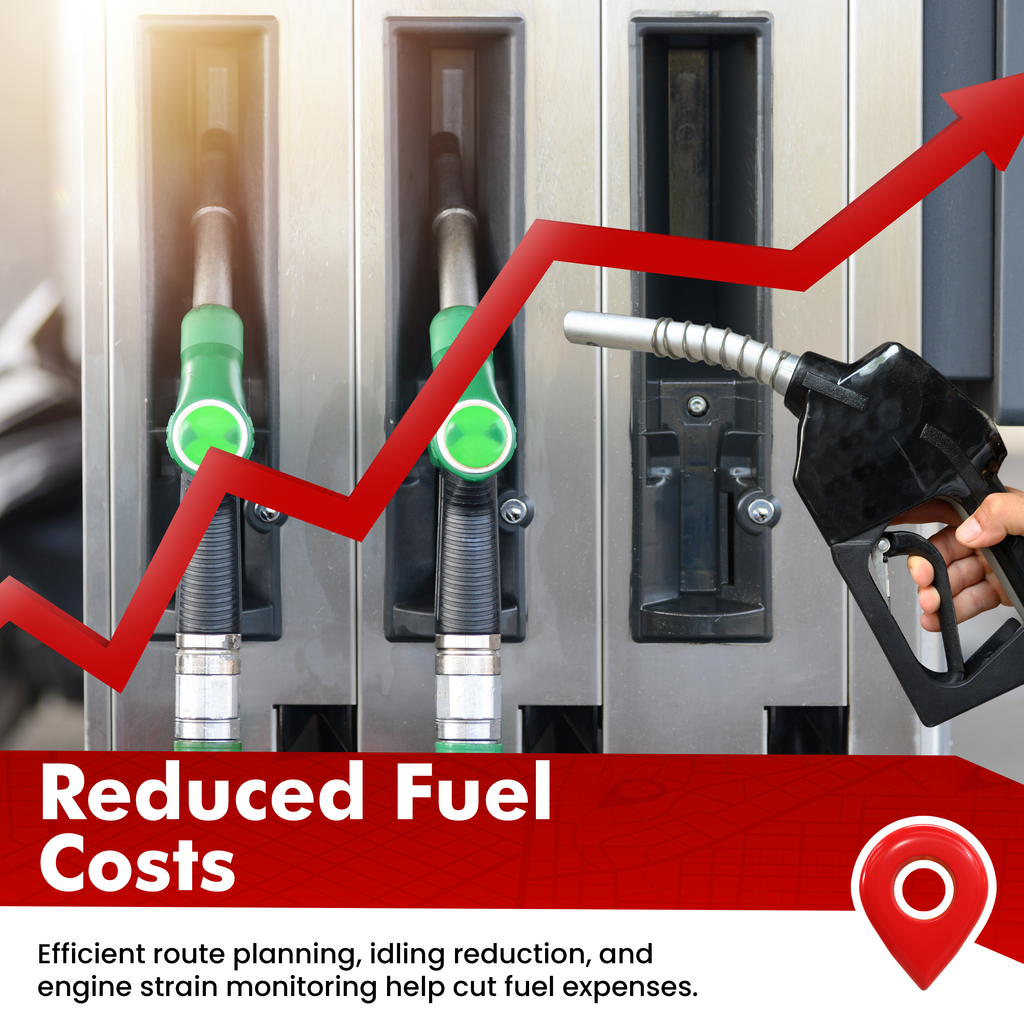
Fuel is one of the largest operating costs in fleet management. GPS tracking helps reduce this burden by suggesting optimized routes, avoiding traffic congestion, and minimizing engine strain. By identifying and correcting inefficient driving habits, businesses can significantly lower fuel consumption and extend vehicle lifespan.